
Plenary Speakers
Additional plenary speakers will be announced in the coming months. Please check back regularly for updates to our exciting line-up of speakers.

Prof. Ana Flavia Nogueira
State University of Campinas
Prof. Ana Flavia Nogueira
Prof. Ana Flavia Nogueira received her B.Sc. in Chemistry from the University of São Paulo (1996), and her M.Sc. (1998) and Ph.D. (2001) in Chemistry from the University of Campinas (UNICAMP). She carried out postdoctoral research at Imperial College London (2001–2002) and was a visiting researcher at Stanford University (2017–2018). Currently, she is a Full Professor at the Institute of Chemistry, UNICAMP, and Director of the Center for Innovation in New Energies (CINE, www.cine.org.br). Her research focuses on the development of functional (nano)materials for solar energy conversion. She has extensive experience in emerging photovoltaics, including organic and perovskite solar cells. Prof. Nogueira has published over 200 peer-reviewed articles, seven book chapters, one book, and three patents. She received the ACS Award for Leadership in Academia in 2020, is a Fellow of the Royal Society of Chemistry, and a member of the Brazilian Academy of Sciences. She also serves as Associate Editor of Journal of Materials Chemistry C, Materials Advances, and Materials Today Chemistry. Recognized in 2025 among the top 2% most influential scientists worldwide (Stanford University & Elsevier ranking).
ORCID: https://orcid.org/0000-0002-0838-7962
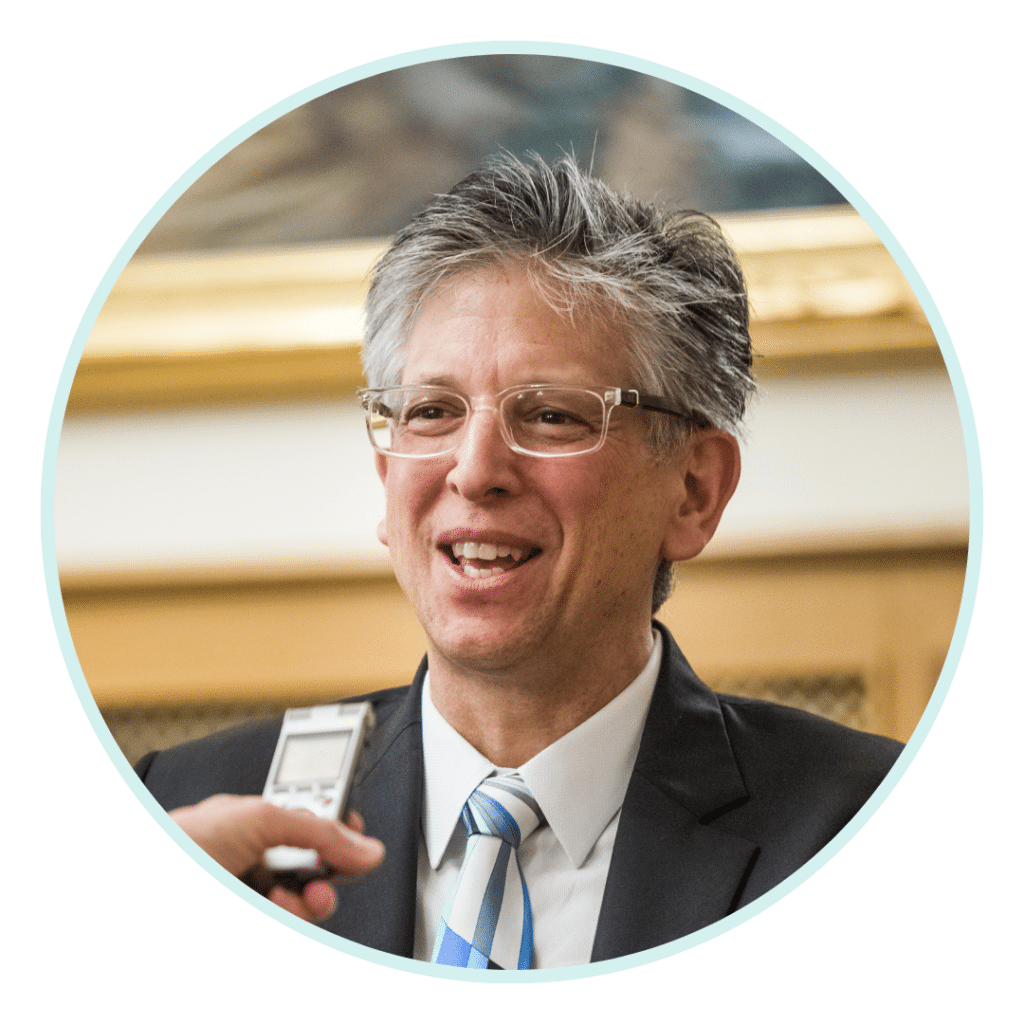
Prof. Paul S. Weiss
University of California
Prof. Paul S. Weiss
Paul S. Weiss is a nanoscientist and holds a UC Presidential Chair and is a distinguished professor of chemistry, bioengineering, and materials science & engineering at UCLA, where he was previously director of the California NanoSystems Institute. He studies the ultimate limits of miniaturization, developing and applying new tools and methods for atomic-resolution and spectroscopic imaging and patterning of chemical functionality. He and his group apply these advances in other areas including quantum information, precision medicine, neuroscience, microbiome studies, tissue engineering, cellular agriculture, high-throughput gene editing, and cosmetics. He led, coauthored, and published the technology roadmaps for the BRAIN and US Microbiome Initiatives. He was the founding editor-in-chief of ACS Nano. He has won awards in science, engineering, teaching, publishing, and communications. He is a fellow of the American Academy of Arts and Sciences, AAAS, ACS, AIMBE, APS, AVS, Canadian Academy of Engineering, IEEE, MRS, and National Academy of Inventors.
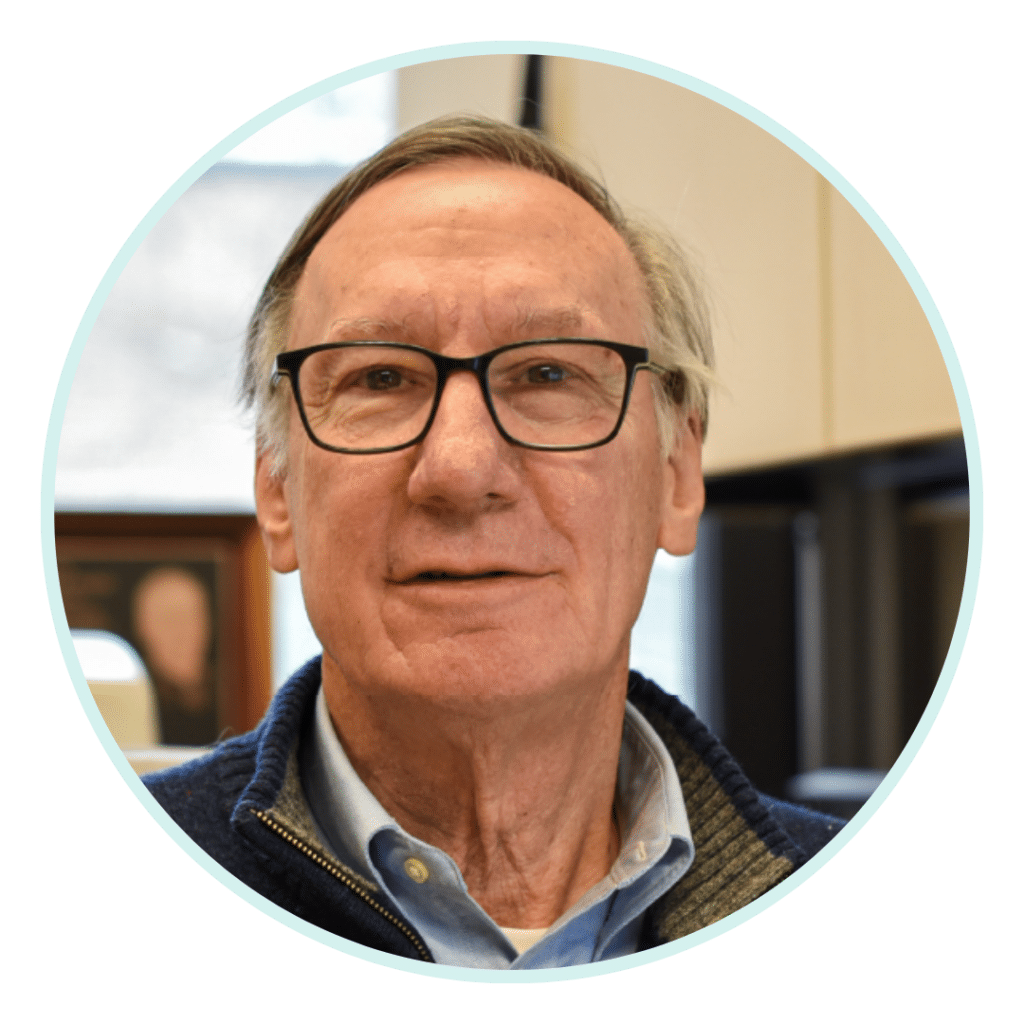
Prof. Stephen R. Forrest
University of Michigan
Prof. Stephen R. Forrest
Stephen R. Forrest is the Peter A. Franken Distinguished University Professor of Electrical Engineering, Physics and Materials Science and Engineering at the University of Michigan. Education: B. A. Physics, 1972, University of California, MSc and PhD Physics in 1974 and 1979, University of Michigan. In 1985, Prof. Forrest joined the Electrical Engineering and Materials Science Departments at USC. In 1992, Prof. Forrest became the James S. McDonnell Distinguished University Professor of Electrical Engineering at Princeton University and chaired the department from 1997 to 2001. In 2006, became Vice President for Research at the University of Michigan until 2014. He is a Fellow of the APS, IEEE and OSA and a member of the National Academy of Engineering, the National Academy of Sciences, the American Academy of Arts and Sciences, a Fellow of the Royal Society, and the National Academy of Inventors. He is founding participant of Epitaxx, Inc., Sensors Unlimited, NanoFlex Power, Universal Display (NASDAQ: OLED), Apogee Photonics, and Heat2Power, and served on the Board of Directors and the Growth Technology Advisory Board of Applied Materials. He serves on the Board of Governors of the Technion where he holds an honorary doctorate.

Prof. Vladimir M. Shalaev
Purdue University
Prof. Vladimir M. Shalaev
Vladimir M. Shalaev is a Distinguished Professor of Electrical and Computer Engineering at Purdue University. Prof. Shalaev is a member of the National Academy of Engineering (NAE) and the American Academy of Arts & Sciences (AAA&S). He is a recipient of APS Frank Isakson Prize, Optica Max Born Award for his pioneering contributions to the field of optical metamaterials, Willis E. Lamb Award for Laser Science and Quantum Optics, IEEE Photonics Society William Streifer Scientific Achievement Award, Rolf Landauer medal of the ETOPIM International Association, the UNESCO Medal for the development of nanosciences and nanotechnologies, and the Optica and SPIE Goodman Book Writing Award. Prof. Shalaev is recognized as a Highly Cited Researcher in physics by the Web of Science Group for several years. His h-index is 137 with over 84,000 citations. He is a Fellow of the IEEE, APS, SPIE, MRS and Optica.
Prof. Paul S. Weiss
University of California
Prof. Paul S. Weiss
Paul S. Weiss is a nanoscientist and holds a UC Presidential Chair and is a distinguished professor of chemistry, bioengineering, and materials science & engineering at UCLA, where he was previously director of the California NanoSystems Institute. He studies the ultimate limits of miniaturization, developing and applying new tools and methods for atomic-resolution and spectroscopic imaging and patterning of chemical functionality. He and his group apply these advances in other areas including quantum information, precision medicine, neuroscience, microbiome studies, tissue engineering, cellular agriculture, high-throughput gene editing, and cosmetics. He led, coauthored, and published the technology roadmaps for the BRAIN and US Microbiome Initiatives. He was the founding editor-in-chief of ACS Nano. He has won awards in science, engineering, teaching, publishing, and communications. He is a fellow of the American Academy of Arts and Sciences, AAAS, ACS, AIMBE, APS, AVS, Canadian Academy of Engineering, IEEE, MRS, and National Academy of Inventors.
Prof. Stephen R. Forrest
University of Michigan
Stephen R. Forrest
Stephen R. Forrest is the Peter A. Franken Distinguished University Professor of Electrical Engineering, Physics and Materials Science and Engineering at the University of Michigan. Education: B. A. Physics, 1972, University of California, MSc and PhD Physics in 1974 and 1979, University of Michigan. In 1985, Prof. Forrest joined the Electrical Engineering and Materials Science Departments at USC. In 1992, Prof. Forrest became the James S. McDonnell Distinguished University Professor of Electrical Engineering at Princeton University and chaired the department from 1997 to 2001. In 2006, became Vice President for Research at the University of Michigan until 2014. He is a Fellow of the APS, IEEE and OSA and a member of the National Academy of Engineering, the National Academy of Sciences, the American Academy of Arts and Sciences, a Fellow of the Royal Society, and the National Academy of Inventors. He is founding participant of Epitaxx, Inc., Sensors Unlimited, NanoFlex Power, Universal Display (NASDAQ: OLED), Apogee Photonics, and Heat2Power, and served on the Board of Directors and the Growth Technology Advisory Board of Applied Materials. He serves on the Board of Governors of the Technion where he holds an honorary doctorate.